

What Is Suiting Fabric? A Technical Guide to Worsted Wool, Fabric Construction and Quality
Explore the construction and technical qualities of fine suiting fabrics, from fibre selection and worsted spinning to weaving, finishing and garment performance. Drawing on Sanayei's textile heritage, this guide examines the relationship between cloth quality, craftsmanship and precise tailoring.
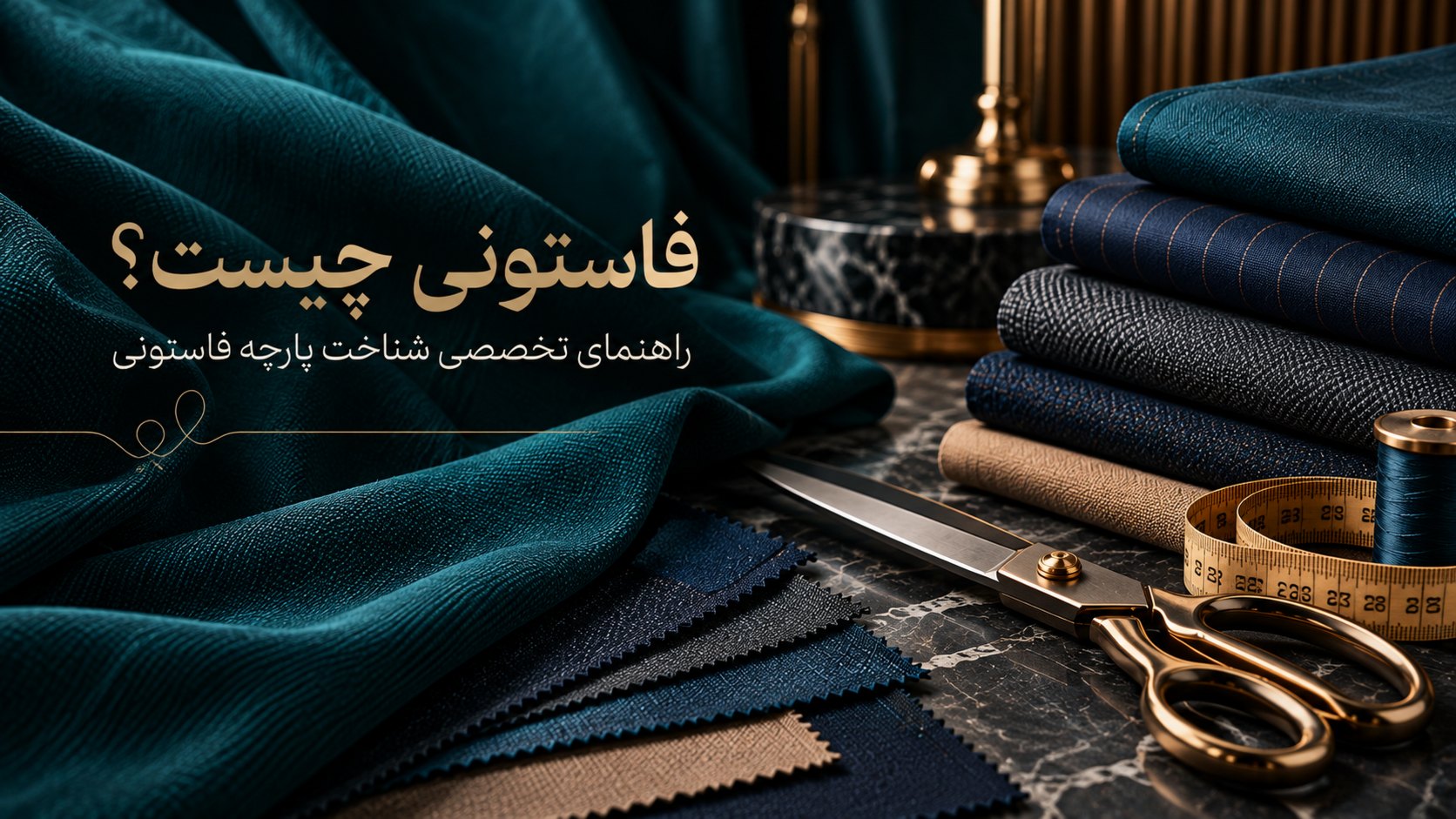
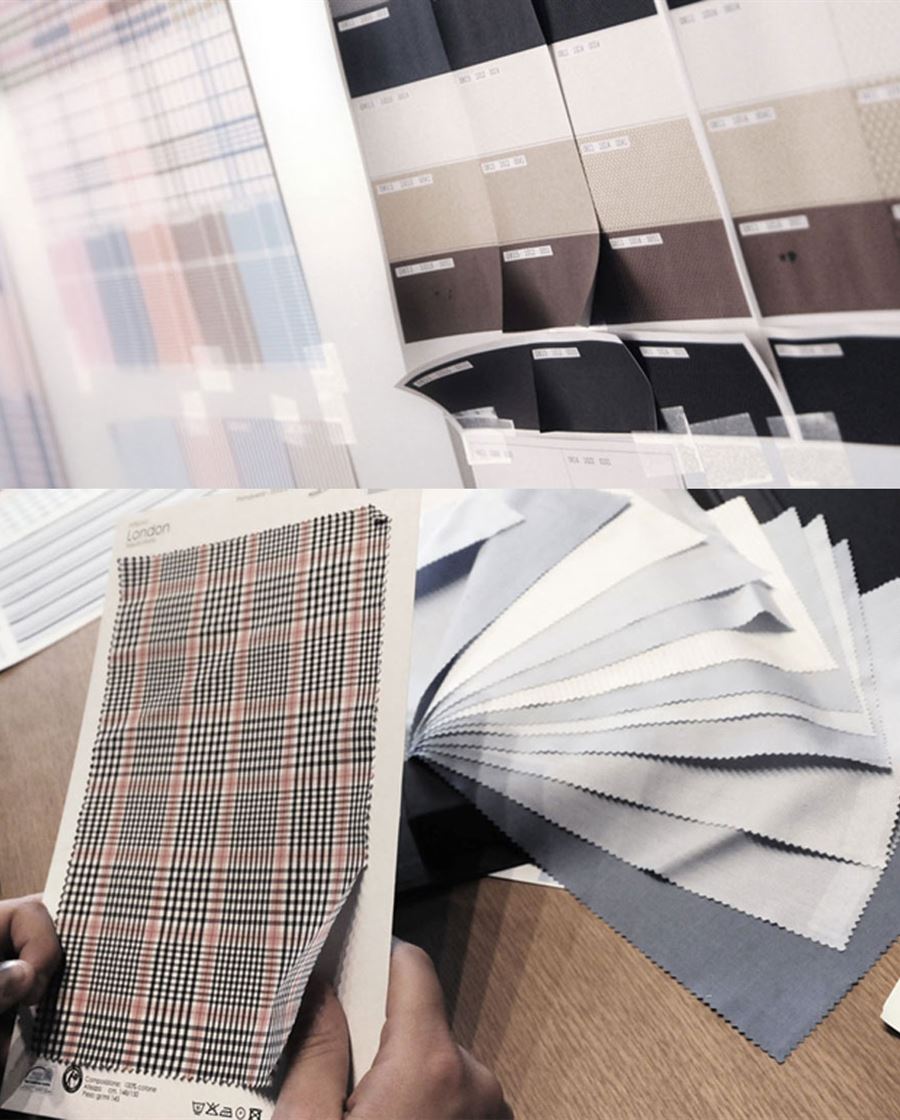
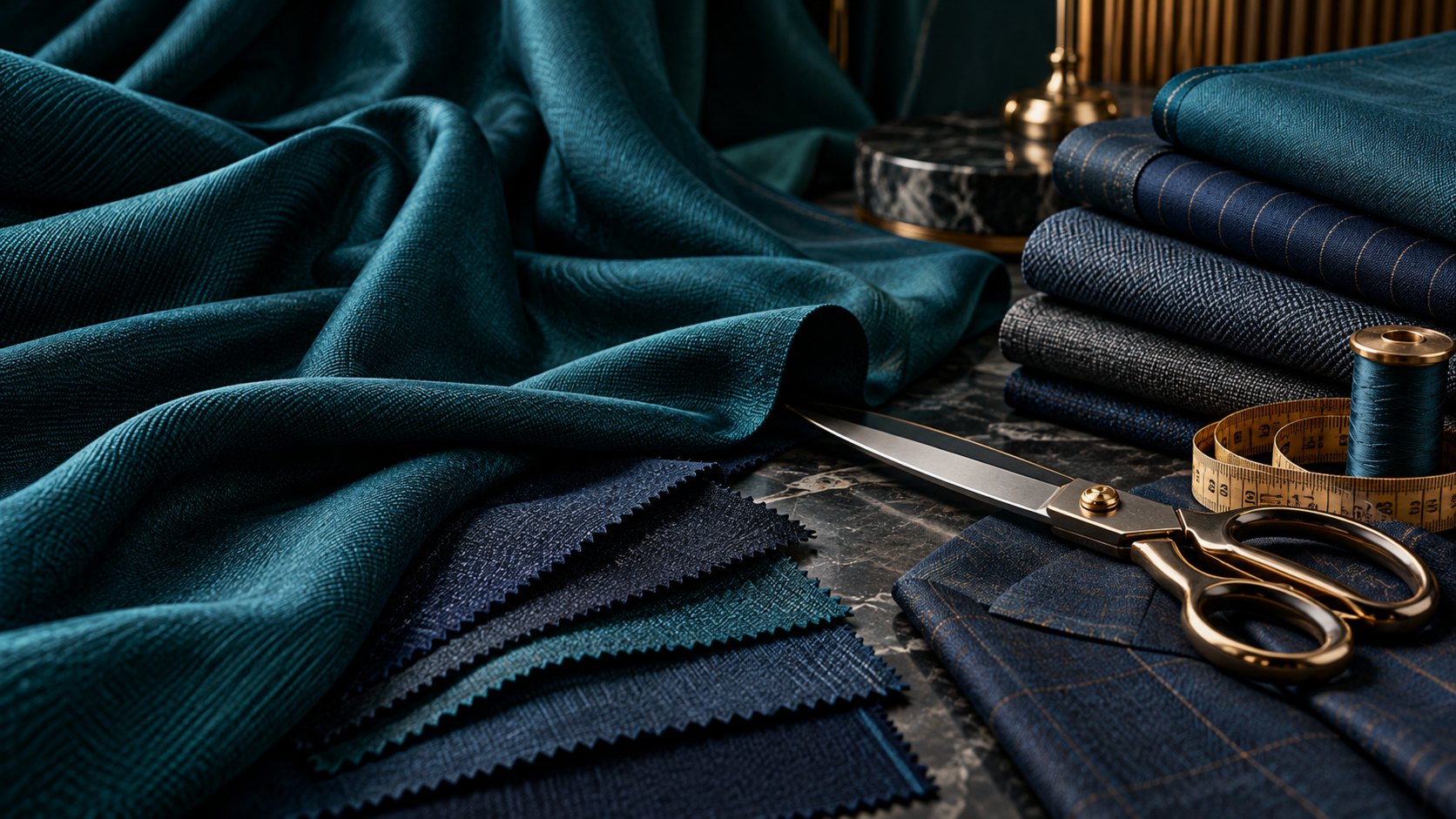
The true character of a fine suiting fabric is not always apparent at first glance. Two seemingly identical navy fabrics may differ considerably in their construction, resilience, drape and performance during tailoring. One may offer a softer, more fluid silhouette, while the other provides greater structure and shape retention. These distinctions originate long before the fabric reaches the cutting table. Fibre selection, yarn preparation, spinning, weaving and finishing all contribute to the properties of the finished cloth. Understanding these processes is essential to recognising fabric quality and selecting materials appropriate for different tailoring applications. At Sanayei, a heritage in textile trading dating back to 1898 informs an approach in which fabric selection is guided by technical knowledge, craftsmanship and individual requirements.
Understanding Suiting Fabrics and Worsted Wool
In the Iranian textile market, the term Fustuni broadly refers to fabrics used in tailoring suits, jackets, trousers and other formal garments. Internationally, however, several more precise terms distinguish fabric composition, manufacturing methods and intended applications. Suiting fabric encompasses a wide range of materials, including pure wool, wool blends, cotton, linen and synthetic textiles. Worsted wool, by contrast, refers specifically to wool processed through a specialised spinning system involving the preparation and combing of fibres. This process removes a substantial proportion of shorter fibres and helps align the remaining fibres, producing relatively smooth, uniform yarns suitable for refined woven fabrics. The distinction between worsted and woollen spinning is particularly important: whereas worsted yarns generally have a more compact, organised structure, woollen yarns tend to be bulkier, with a more open fibre arrangement. Neither system is inherently superior; each serves different textile applications and aesthetic requirements.
From Fibre Selection to Yarn Construction
The quality and performance of suiting fabrics begin with the characteristics of their constituent fibres. In fine wool textiles, fibre diameter, length, strength and uniformity influence spinning performance and the properties of the resulting yarn. Fibre fineness, commonly expressed in microns, is particularly relevant to the production of fine worsted fabrics, although finer fibres do not automatically guarantee superior finished cloth. In worsted manufacturing, wool undergoes scouring, carding, gilling and combing before the prepared fibres are spun into yarn. These stages help establish the consistency and alignment required for the intended yarn structure. Yarn count and twist subsequently influence the fabric's appearance, handle, tensile properties and behaviour during weaving. High-twist yarns, for example, can contribute to resilient fabrics with useful crease-recovery characteristics, making certain constructions suitable for business travel and frequent wear. The final result nevertheless depends on the interaction between fibre composition, yarn construction, weave and finishing.
Pure Wool, Wool Blends and Speciality Fibres
Suiting fabrics are manufactured from a diverse range of fibres, each contributing different characteristics to the finished garment. Pure wool remains central to traditional tailoring because of its natural elasticity, moisture-management properties and versatility across numerous fabric constructions. Wool-blend fabrics combine wool with materials such as polyester, viscose or elastane to achieve particular performance, aesthetic or commercial objectives. The benefits of any blend depend on the proportions and quality of its constituent fibres, as well as its construction and finishing. In luxury suiting, speciality fibres such as cashmere and mohair may be incorporated to introduce distinctive tactile or visual qualities. Cashmere can contribute softness and thermal insulation, while mohair can influence lustre, resilience and surface character. However, the presence of an expensive fibre is not, in itself, proof of suitability or superior quality. A considered fabric assessment must examine the complete composition and evaluate how its characteristics correspond to the garment's intended purpose.
Weave, Fabric Weight and Finishing
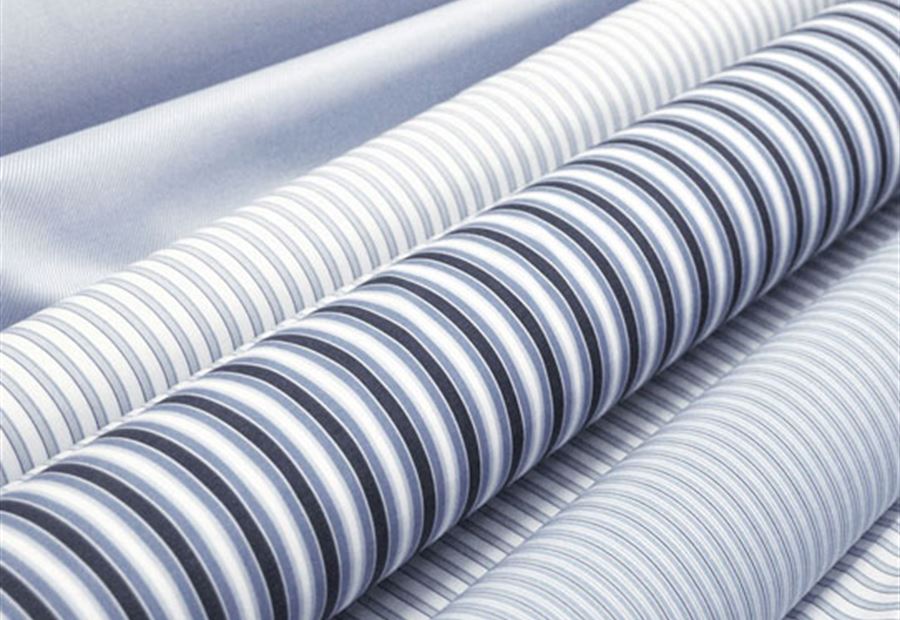
Beyond fiber composition, the structural properties of a suiting fabric are fundamental to its appearance and performance. Plain weave, twill and related constructions provide different combinations of texture, flexibility, stability and breathability. Twill, recognized by its diagonal weave pattern, is widely used in classic suiting, while herringbone introduces a distinctive alternating diagonal structure. Fabric weight is another essential consideration, although it must be interpreted alongside weave density, yarn characteristics and finishing. A lightweight fabric is not necessarily more breathable, just as a heavier fabric does not automatically offer greater quality or superior drape. Weight specifications must also be compared carefully, since grams per square meter and grams per linear meter are different measurements. Following weaving, finishing processes help establish the fabric's final handle, appearance and dimensional stability. Washing, controlled mechanical treatments, steaming and pressing may all contribute to the finished cloth's characteristics. These processes are not merely cosmetic; they form an integral part of textile engineering and can significantly influence how a fabric behaves during tailoring and subsequent wear.
Evaluating Fabric Quality: Beyond Softness and Super Numbers
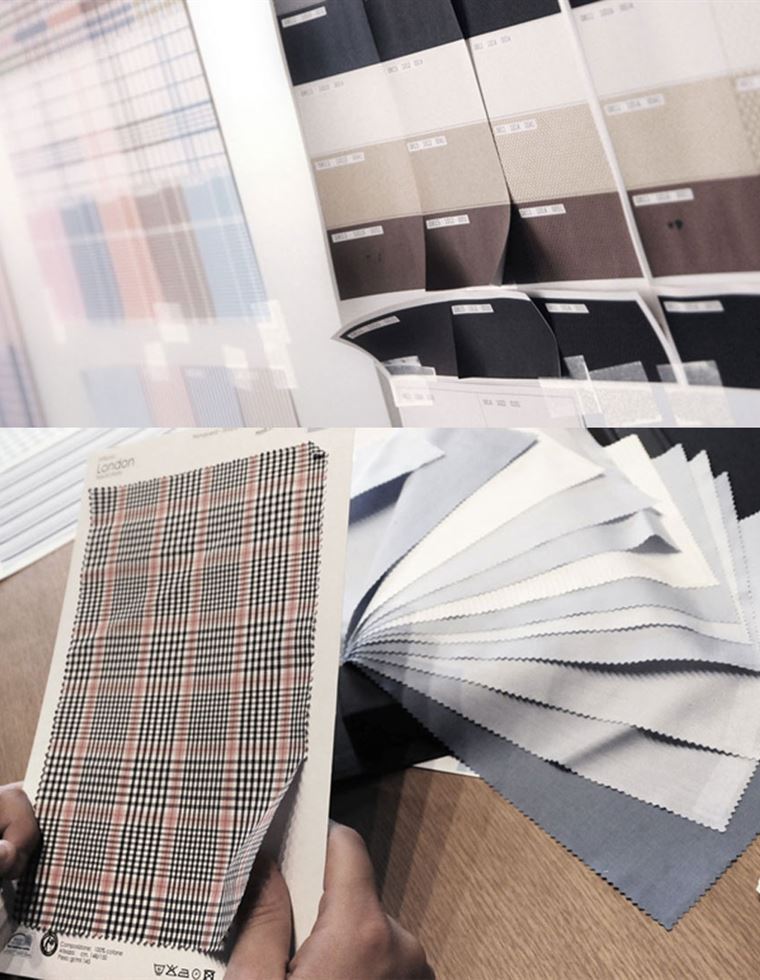
Assessing the quality of a suiting fabric requires more than examining its appearance, softness or brand name. Fibre composition, dimensional stability, abrasion resistance, pilling tendency, colour fastness and crease recovery are among the characteristics that may be relevant to its intended application. Where available, technical specifications and appropriate laboratory test results provide valuable information that cannot be reliably obtained through touch alone. The Super S classification, frequently encountered in luxury wool suiting, is another important but often misunderstood indicator. Under ISO 18103:2015, Super S designations relate to the fineness of wool fibres in qualifying fabrics made from pure new wool. Higher Super numbers indicate finer fibre categories; they do not directly measure fabric weight, durability or overall quality. A Super 150s cloth is therefore not automatically more suitable for everyday wear than a Super 100s fabric. Ultimately, quality must be evaluated in relation to the fabric's intended use, construction and performance requirements rather than through any single specification.
Fabric Performance and the Art of Tailoring
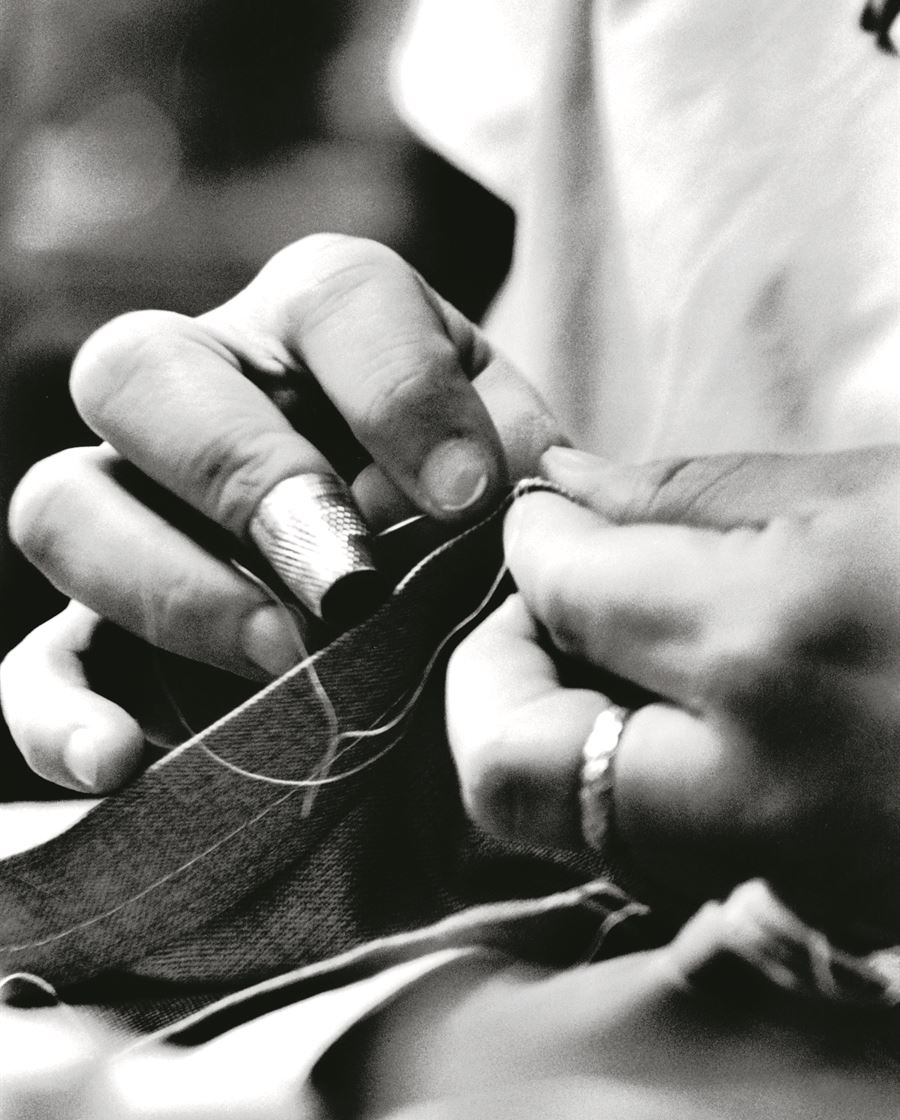
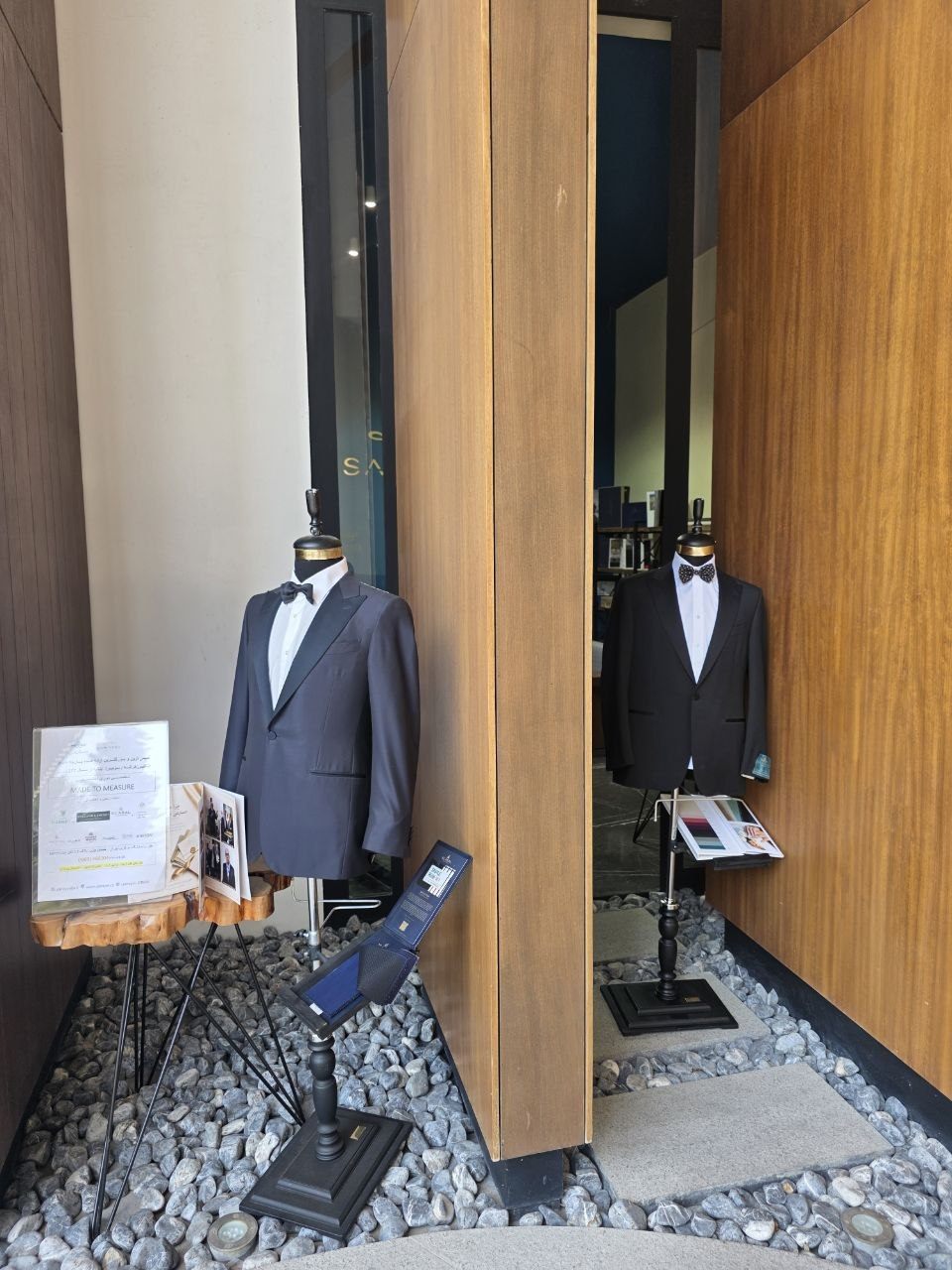
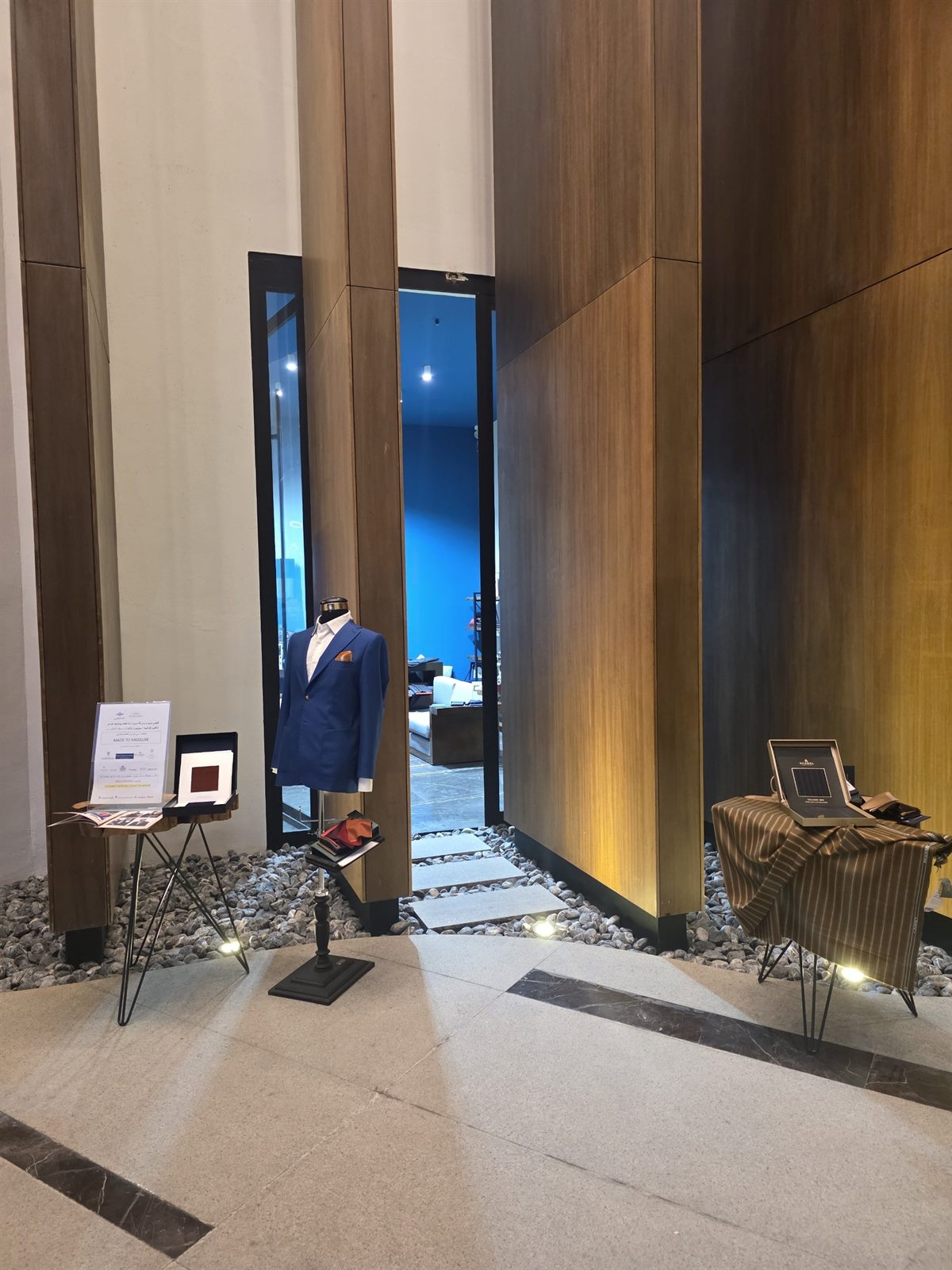
The relationship between fabric and tailoring becomes particularly important when a two-dimensional textile is transformed into a three-dimensional garment. A fabric's structure influences its behaviour during cutting, stitching, pressing and shaping. Drape describes how cloth falls and moves under its own weight, while its ability to respond to controlled heat, moisture and pressure can affect the shaping techniques available to the tailor. Some fabrics lend themselves to sharply defined silhouettes and structured jackets; others offer a softer appearance and more fluid movement. Neither characteristic is inherently preferable without considering the intended design. In Made-to-Measure (MTM) tailoring, where an existing pattern is adapted to the customer's measurements, fabric selection must be coordinated with the garment's silhouette, construction and personalization options. The same principle applies when sourcing fabric through a cut-length service. Choosing the correct cloth requires an understanding of both its technical properties and the practical demands of the garment for which it is intended.
International Textile Houses and the Heritage of Sanayei
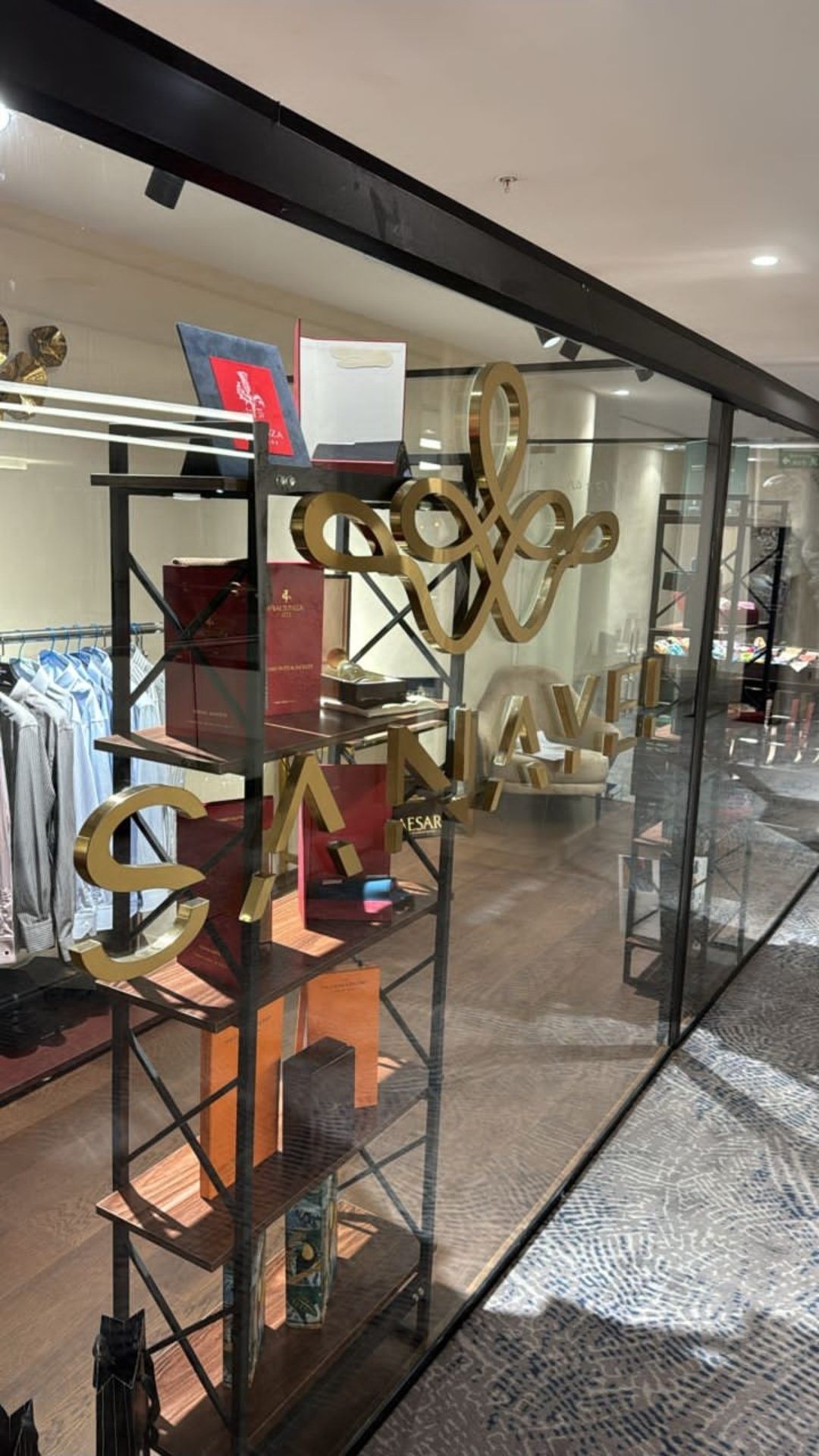
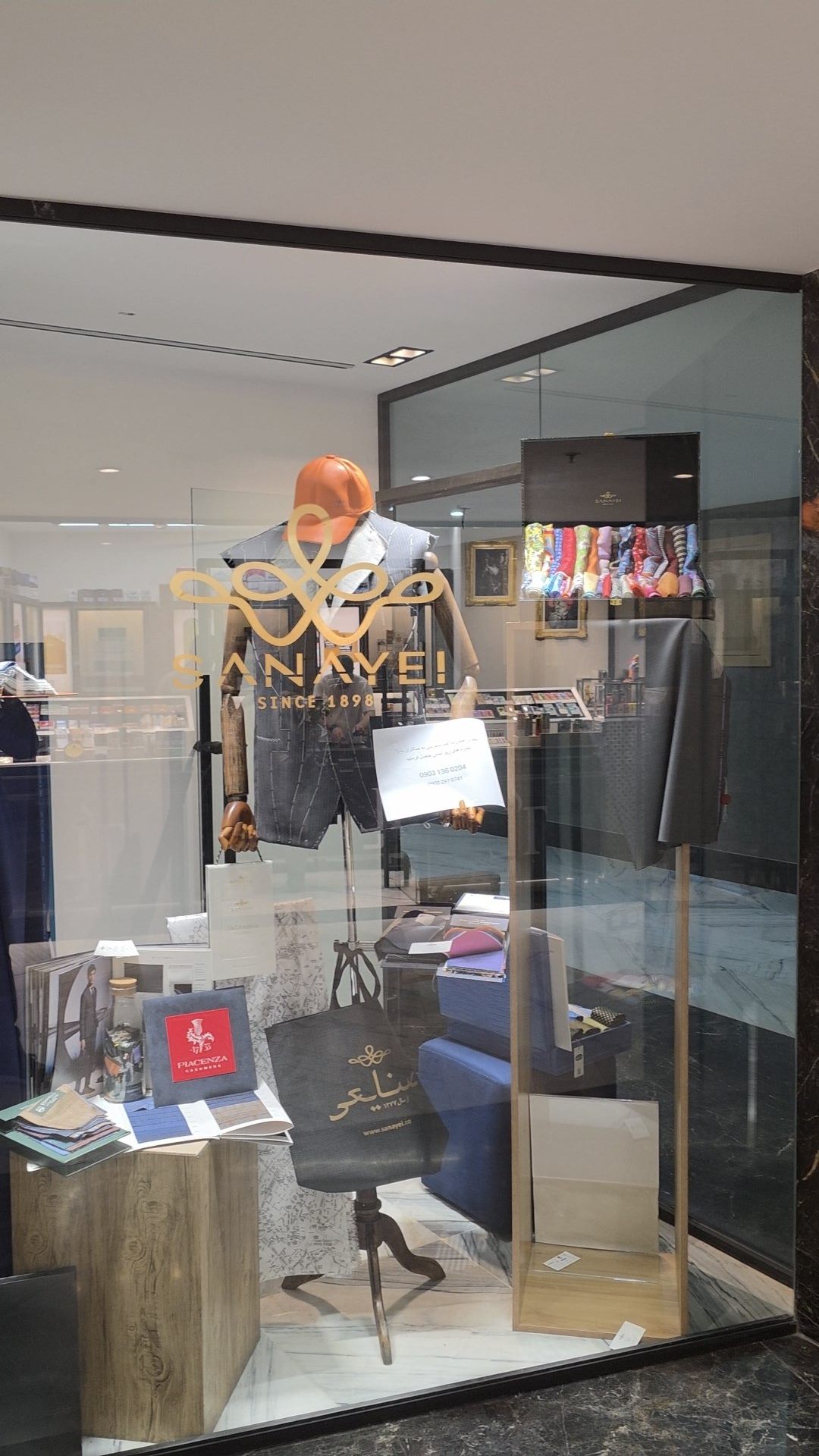
The British and Italian textile industries have played an influential role in the evolution of fine suiting, developing distinctive traditions in worsted wool, flannel, specialised weaving and fabric finishing. Internationally recognised names such as Holland & Sherry, Dormeuil, Scabal, Drago, Reda, Fox Brothers and Piacenza illustrate the breadth of the premium suiting market. However, a prestigious label or country of origin should never replace an examination of the individual fabric's specifications, manufacturing provenance and intended application. This emphasis on informed selection is closely connected to Sanayei's heritage. According to the company's history, the family's involvement in textile trading began in Isfahan in 1898 with the importation of British fabrics, eventually developing into a broader business associated with international textile collections and specialised tailoring services. Today, Sanayei brings together this historical background with fabric consultation, Made-to-Measure and Cut-Length services, supporting both individual customers and professional tailors in selecting appropriate materials.
Conclusion: True Fabric Quality Begins with Understanding
A fine suiting fabric is the outcome of a carefully coordinated manufacturing process, from fibre selection and yarn preparation to weaving, finishing and tailoring. Its value cannot be reduced to fibre fineness, softness, weight or brand reputation alone. Understanding how these characteristics interact enables a more informed assessment of a fabric's quality, suitability and long-term performance. For professional tailors, this knowledge reveals the possibilities and limitations of each cloth; for individual customers, it provides a clearer foundation for choosing garments that reflect their needs and personal preferences. At Sanayei, the relationship between textile heritage, technical expertise and considered selection remains central to the experience. Whether exploring an international collection, ordering a specific cut length or commissioning a Made-to-Measure garment, the objective is to identify a fabric whose inherent qualities complement the design, craftsmanship and intended use of the finished garment.